Why “Set It And Forget It” Is one of the most expensive Myths in Lifecycle Marketing
There are few kitchen appliances more deserving of praise than the humble Crock-Pot.
Throw in a few ingredients. Turn the dial. Walk away.
Hours later? Dinner.
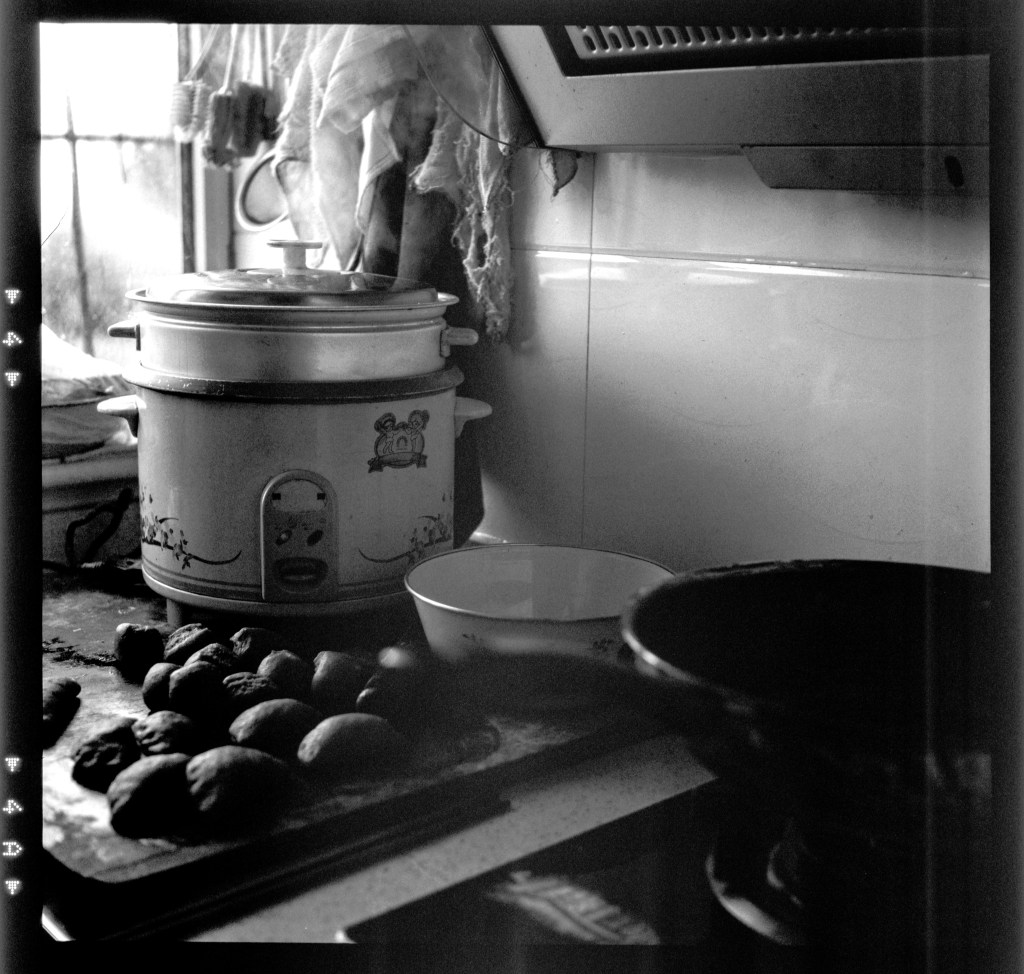
If only CRM worked the same way.
Unfortunately, somewhere along the way, many organizations adopted that same philosophy for their lifecycle marketing programs.
“We’ve built the journeys.”
“The automations are live.”
“The audiences are segmented.”
“The APIs are connected.”
Perfect.
Ship it.
Except…CRM doesn’t work that way.
In fact, one of the biggest myths in lifecycle marketing is believing that automation means your work is finished.
The truth?
Automation simply changes the work.
Instead of manually sending campaigns every day, your role shifts to something arguably more important: continuously ensuring your CRM is healthy, relevant, and evolving alongside your customers.
Because here’s the thing…
Customers don’t stay the same.
Neither should your CRM.
Your Audience is Constantly Changing
That beautifully segmented audience you painstakingly built six months ago?
It’s already different.
Customers move through different life stages. Buying habits shift. New products launch. Acquisition sources change. Preferences evolve.
The people entering your ecosystem today often look very different from the people who entered it a year ago.
Yet many brands continue speaking to them exactly the same way.
Great CRM doesn’t assume your audience is frozen in time.
It recognizes that customer behavior is a moving target.
Sometimes Nothing Is Wrong…
…until everything is.
Over the years, I’ve had more than one client proudly tell me, “Our CRM pretty much runs itself now.”
They usually meant it as a compliment.
I almost always heard it as a warning.
Because whenever we started digging, we’d find something.
An audience slowly shrinking.
A trigger quietly failing.
A subject line that hadn’t been refreshed in two years.
A holiday campaign still referencing last year’s promotion.
Not because anyone was careless.
Because everyone assumed automation meant someone—or something—was watching.
It wasn’t.
That’s when I realized one of the biggest misconceptions in our industry:
Automation doesn’t Replace Stewardship.
It simply gives you more time to practice it.
One of the most overlooked responsibilities in CRM isn’t building journeys.
It’s watching them.
APIs fail.
Tracking events disappear.
Custom fields quietly stop populating.
A data feed stalls overnight.
An audience that normally contains 50,000 people suddenly drops to 500.
Or doubles.
Neither is good news.
The scary part?
Most of these failures don’t send up fireworks.
They happen quietly.
And if nobody’s watching, customers begin having broken experiences long before anyone notices.
Sometimes your most valuable dashboard isn’t the one measuring revenue.
It’s the one telling you something unexpected just happened.
Winning Campaigns Have an Expiration Date
Remember that subject line that crushed it last quarter?
Your customers do, too.
Creative fatigue is real.
Offers lose urgency.
Messaging becomes wallpaper.
Even perfect timing eventually becomes predictable.
The best-performing CRM programs aren’t successful because they found the perfect formula.
They’re successful because they never stop asking whether yesterday’s formula is still the right one today.
Testing Isn’t a Project. It’s a Habit.
Too many teams think A/B testing ends once a winner is declared.
In reality, today’s winner is simply tomorrow’s control.
Test your timing.
Test your imagery.
Test your messaging.
Test your calls-to-action.
Test your cadence.
Test your offers.
Then test them again.
Customer expectations evolve.
So should your assumptions.
Context Matters More than Automation
Customers don’t live inside your marketing calendar.
They live in the real world.
The messaging that feels timely in October may feel completely tone-deaf in January.
Back-to-school.
Holiday shopping.
Tax season.
Economic uncertainty.
Even the weather.
The brands customers remember are the ones that acknowledge what’s happening in their lives—not just what’s happening in the campaign calendar.
Automation delivers messages.
Great CRM delivers relevance.
Here’s the Part that Should Make Every CRM Marketer Just a Little Uncomfortable
The most dangerous thing about a broken CRM program isn’t that it stops working.
It’s that it often looks like it’s still working.
Emails continue to send.
Journeys continue to fire.
Dashboards continue to populate.
Meanwhile, audiences drift.
Experiences become stale.
Performance slowly erodes.
Opportunities quietly disappear.
Often for weeks—or even months—before anyone notices.
Automation is incredibly good at repeating whatever you’ve built.
Whether it’s brilliant…
or broken.
So…Where Should You Start?
f you’ve inherited a CRM program—or it’s simply been running on autopilot for longer than you’d like—you don’t need to throw everything away and start over.
Start by asking a few simple questions.
Are my audiences behaving the way I’d expect?
Unexpected spikes or sudden drops in audience size are often the first indication that something has changed—or something has broken.
Have we actually experienced our own journeys recently?
Read every automated email. Click every link. Walk through every onboarding experience as though you’re a customer seeing it for the first time.
You’d be surprised what you’ll find.
What haven’t we tested lately?
If your answer is, “I’m not sure,” you’ve probably found your next priority.
Are we measuring the health of our CRM—not just the revenue it produces?
Monitor audience sizes.
Journey completion rates.
Deliverability.
Conversion trends.
Operational anomalies.
Sometimes the earliest warning signs have nothing to do with dollars.
Does our messaging still reflect today’s customer?
If your customers have evolved but your automation hasn’t, you’re preserving yesterday’s strategy instead of serving today’s audience.
The biggest misconception about marketing automation is that automation eliminates maintenance.
It doesn’t.
It eliminates repetition.
The brands that consistently outperform their competitors aren’t the ones with the most sophisticated technology or the most elaborate journey maps.
They’re the ones that never stop paying attention.
Because your CRM isn’t a Crock-Pot.
You don’t throw in a few ingredients, put the lid on, and come back six months later expecting a five-star meal.
Great CRM isn’t about building the perfect recipe.

It’s about tasting it every time you make it.
Adjusting the seasoning.
Trying something new.
Paying attention.
Because your customers are changing every single day.
Your CRM should be, too.

